What Cuyabeno Is Best For
Cuyabeno works best for travelers who want a multi-day Amazon lodge stay built around lagoons, canoe movement, frequent wildlife scanning, and a slower immersion rhythm.
Top experience
Lagoon canoe outings with strong wildlife potential are the defining reason most travelers come.
Positioning
A water-based Amazon reserve that feels different from trail-first rainforest routes.
Access model
Best used through a single lodge structure with organized transfers and guided outings.
Stay duration
3 to 5+ days usually works especially well.
Why Cuyabeno Stands Out
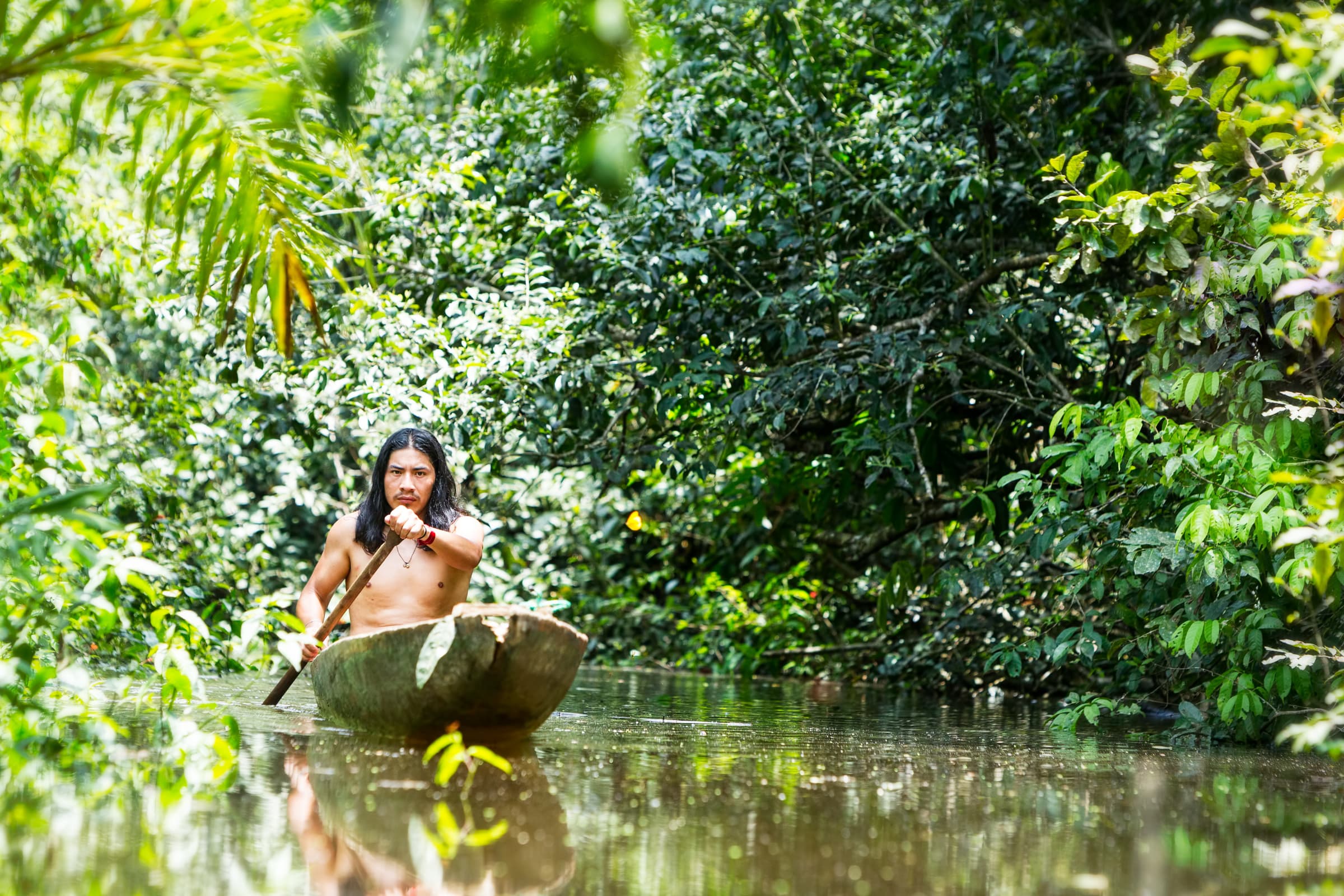
Cuyabeno stands out because it gives the Amazon a different rhythm. Instead of relying mainly on long forest walks, much of the experience unfolds from the water. Canoes move quietly through lagoons and channels, which often makes wildlife viewing feel more fluid, more open, and more visually rewarding.
That water-led structure is a major part of the appeal. It gives photographers stronger sightlines, gives wildlife-focused travelers repeated observation windows, and gives general travelers a calmer entry into the rainforest than a hike-heavy route would.
It also works especially well as a committed Amazon segment inside a wider Ecuador itinerary. Once you are there, the best results come from slowing down, following the lodge rhythm, and letting repeated outings build the value of the stay.
The Main Reasons Travelers Choose Cuyabeno
These are the core experiences that usually define a first stay in Cuyabeno.
Lagoon Wildlife Viewing
Blackwater channels and open lagoons create strong visibility for birds, mammals, and repeated sightings.
Explore natureQuiet Canoe Exploration
Slow, water-led movement is one of the biggest reasons Cuyabeno feels immersive without feeling rushed.
Explore natureGolden-Hour Amazon Light
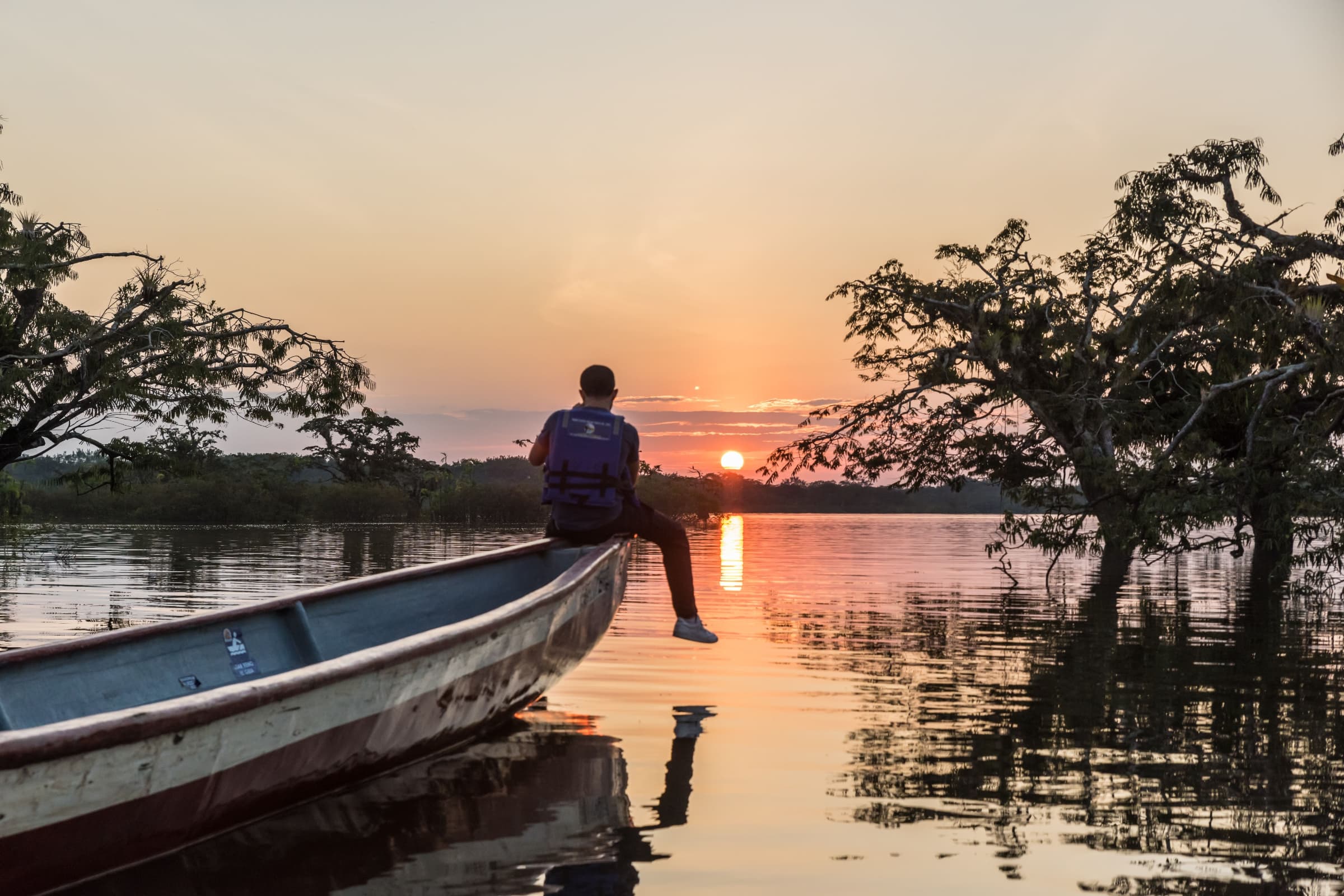
Open water, reflections, and wildlife movement make the reserve especially rewarding for image-focused travelers.
Explore natureLodge-Based Jungle Rhythm
Repeated outings, mid-day resets, and night atmosphere are what make the stay feel fully Amazonian.
Explore relaxationCurated Stay and Planning Paths for Cuyabeno
Use these recommendation pathways when you want Cuyabeno to feel immersive, wildlife-focused, and well placed inside a wider Amazon route.
Classic Cuyabeno Wildlife Flow
Helpful if you want repeated lagoon outings, strong wildlife windows, and a cleaner first Amazon stay.
Open recommendationsLonger Lagoon Immersion
Best for travelers who want more wildlife repetition, more photography time, and a deeper rainforest rhythm.
Open recommendationsCuyabeno Inside an Amazon Route
Strong for travelers who want one committed wildlife block rather than several shorter, weaker jungle stops.
Open recommendationsHow Cuyabeno Fits Different Travel Styles
The same reserve can feel more wildlife-driven, more photographic, or more immersive depending on how you pace the lodge stay.
Wildlife
Strongest for repeated sightings, scanning from the water, and guided observation over multiple days.
Photography
Open lagoons and low-angle light make it one of the most visually rewarding Amazon setups in Ecuador.
Nature immersion
Works especially well for travelers who want a full rainforest rhythm rather than a short sampling stop.
Soft adventure
Good for travelers who want Amazon depth without building the whole trip around difficult hiking.
How to Use Your Time Well in Cuyabeno
Cuyabeno usually works best when you treat it as one committed Amazon block and not a quick add-on. The value builds through repetition: early canoe outings, slower mid-day resets, late-afternoon movement, and the cumulative effect of more than one wildlife window.
If you are going for sightings or photography, extra time matters. Guides can adjust based on what appeared the day before, your eye gets better with the lagoon system, and the experience starts to feel much richer once you settle into the reserve's pace.
This destination is strongest when you choose one lodge, accept the rainforest rhythm, and let the stay be immersive. Trying to split limited time across too many Amazon bases usually weakens what Cuyabeno does best.
How Travelers Usually Reach Cuyabeno
Cuyabeno is usually reached through a lodge-organized Amazon entry sequence rather than as an independent stop with flexible, day-by-day movement.
Lodge-organized access
Most travelers reach Cuyabeno through coordinated transfers that connect the reserve to the start of the lodge stay.
River and canoe rhythm
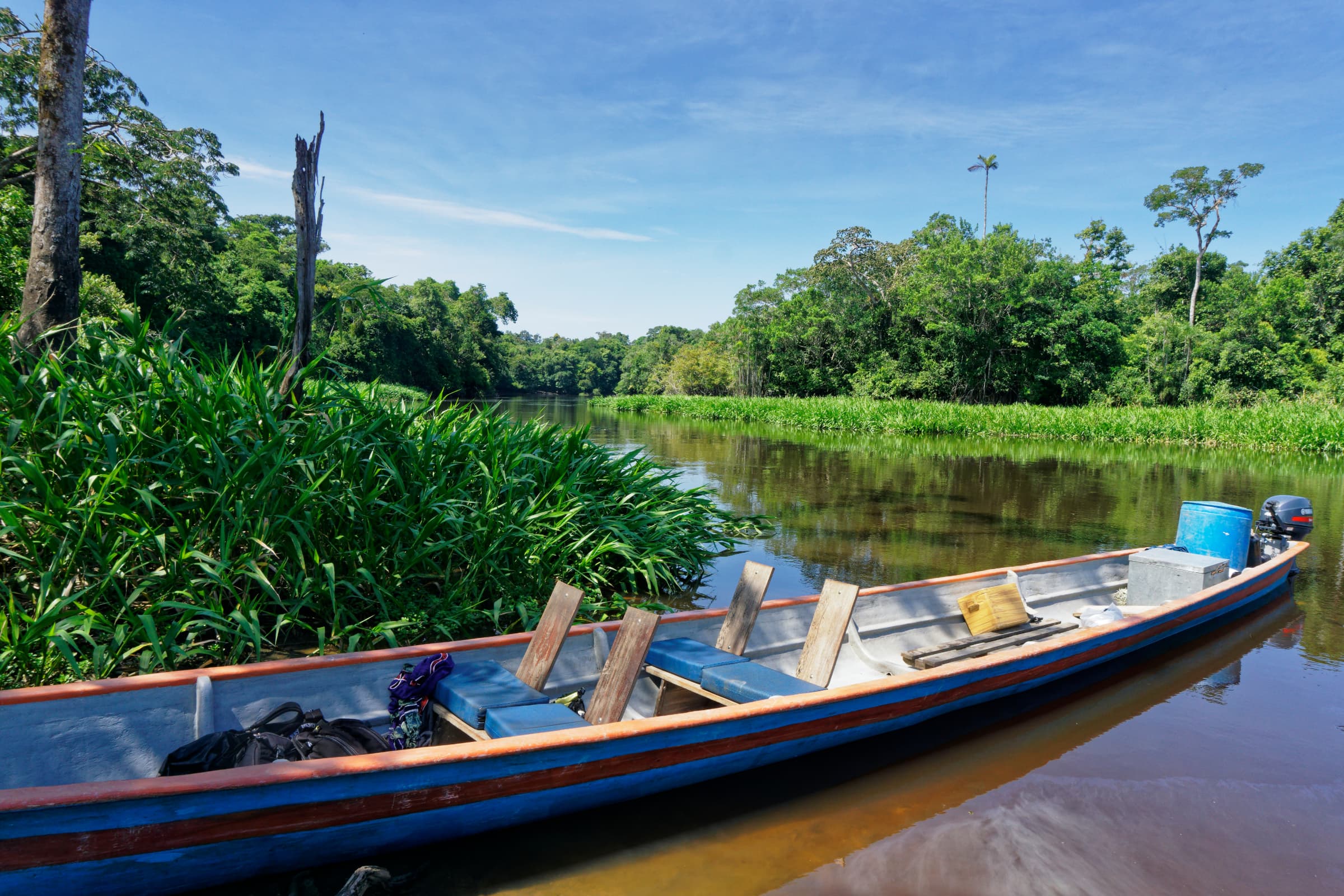
Once inside, movement becomes part of the experience, with waterways shaping the pace more than roads or trail hubs.
As a committed Amazon segment
It works best when planned as one defined block inside a broader Ecuador route, not as a rushed overnight add-on.
Where to Stay for the Best Cuyabeno Rhythm
The right lodge choice changes whether Cuyabeno feels more wildlife-focused, more photographic, or more deeply immersive across several days.
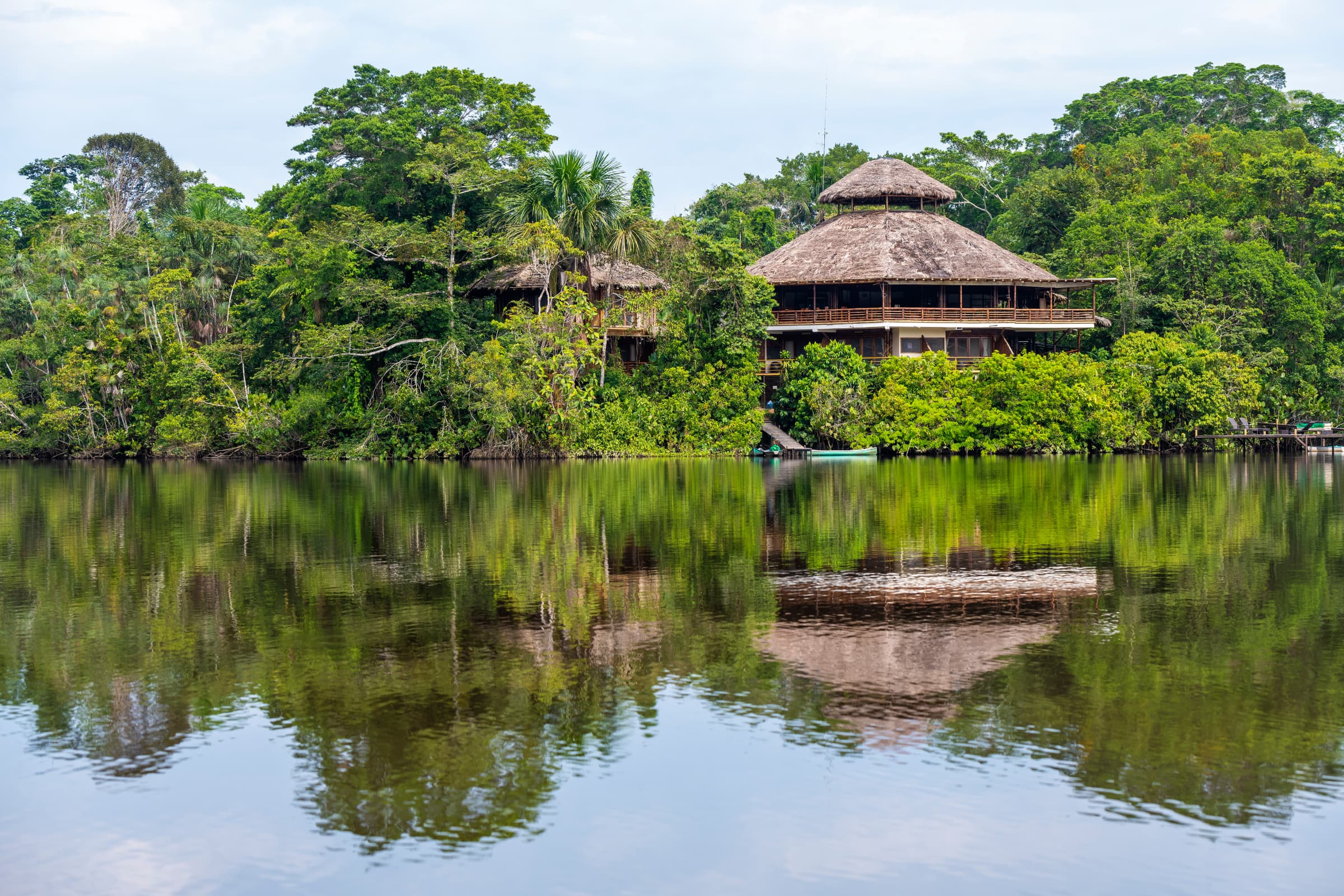
Cuyabeno usually works best when you choose one lodge structure and let that single base shape the whole reserve stay. The strongest trips normally come from committing to one longer immersion and not from dividing limited time across multiple Amazon stops.
Where to Stay in Ecuador
Use the broader stay guide to compare how Cuyabeno fits into the rest of your Ecuador route.
Open stay guideRecommended Stays
Use the recommendation layer to compare wildlife-focused lodge structures and deeper Amazon stay logic.
Open recommendationsAmazon Pairing
Compare Cuyabeno against the wider rainforest route before deciding which Amazon segment fits best.
Open AmazonWhat Pairs Well With Cuyabeno
Use these nearby or complementary destinations to build a stronger Amazon route around Cuyabeno.
Yasuní National Park
The closest thematic pairing for travelers comparing two deeper wildlife-first Amazon experiences.
Explore YasuníMisahuallí
A softer complement if you want an easier river-town Amazon layer before or after a deeper reserve stay.
Explore MisahuallíTena
A stronger contrast if you want a more accessible gateway base and adventure-oriented Amazon structure.
Explore TenaAmazon Region
Step back and compare the wider rainforest route before locking the right jungle segment.
Explore AmazonKeep Planning Beyond Cuyabeno
These next steps help turn Cuyabeno from a single lodge stay into a cleaner Ecuador route.
Amazon Region Guide
Compare Cuyabeno against the wider rainforest before finalizing the route.
Open Amazon guideStay Planning
Use the stay guide when you need a stronger lodging structure across regions.
Open stay planningRecommendations
Compare stay and planning options for a smoother deep-Amazon wildlife segment.
Open recommendationsTrip Builder
Build a route that uses Cuyabeno well without weakening the rest of your Ecuador stay.
Open trip builderCommon Questions About Cuyabeno
These are the questions travelers usually ask before adding Cuyabeno to an Ecuador route.
How many days should I stay in Cuyabeno Wildlife Reserve?
For most travelers, 3 to 5+ days works best. That gives enough time for transfers, repeated canoe outings, wildlife rhythm, and the slower lodge pace that makes Cuyabeno worthwhile.
What is Cuyabeno Wildlife Reserve best known for?
Cuyabeno is best known for blackwater lagoons, canoe-based wildlife exploration, frequent sightings, and immersive multi-day Amazon lodge stays.
Is Cuyabeno better for wildlife or photography?
It works very well for both. Wildlife sightings are a major draw, and the open water, low-angle light, and canoe rhythm make Cuyabeno one of Ecuador's strongest Amazon options for photography too.
Can Cuyabeno work without difficult hiking?
Yes. Cuyabeno is especially good for travelers who want Amazon immersion without building the whole experience around demanding hikes. Much of the value comes from canoe travel, wildlife scanning, and lodge-based outings.
Visual Highlights From Cuyabeno
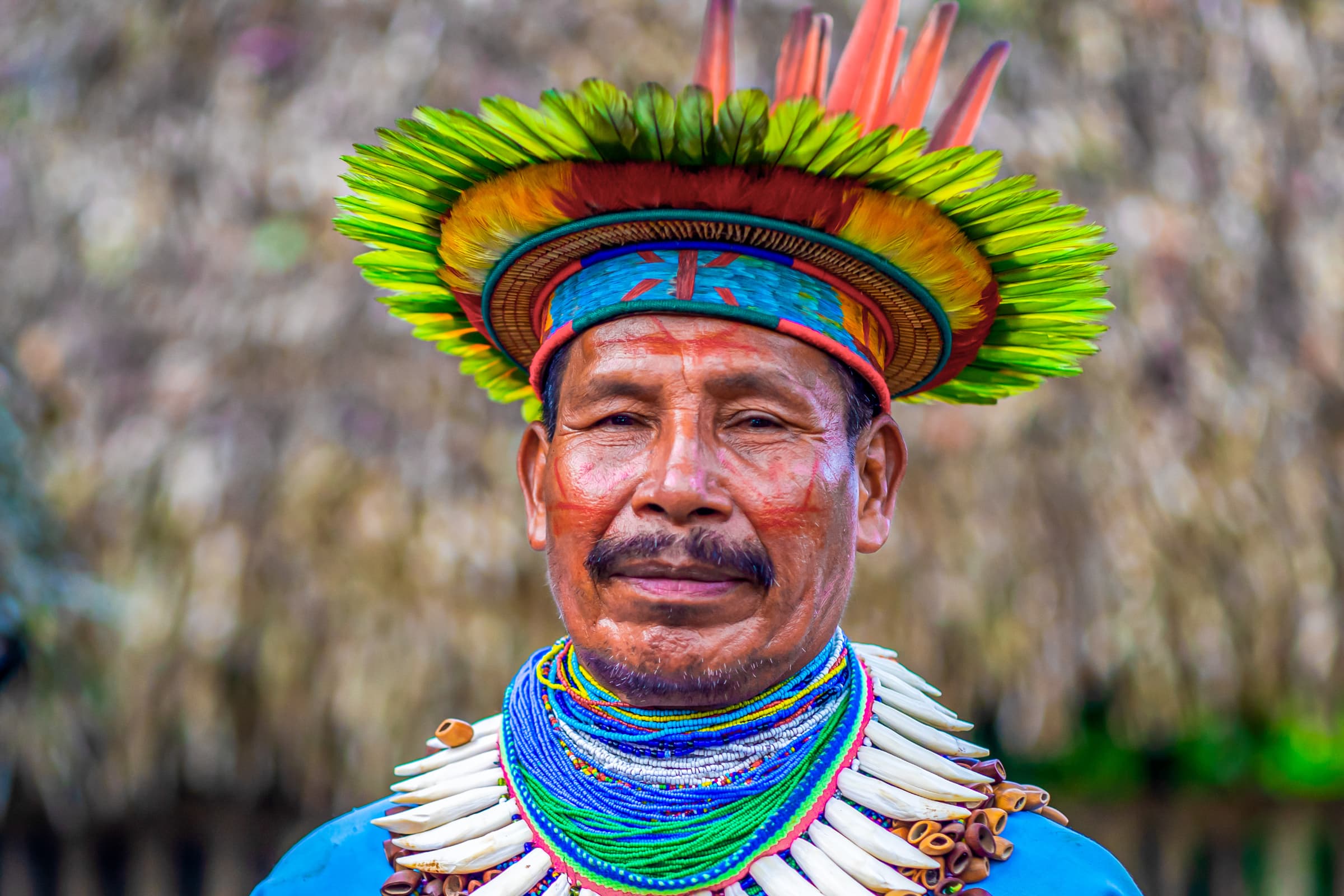
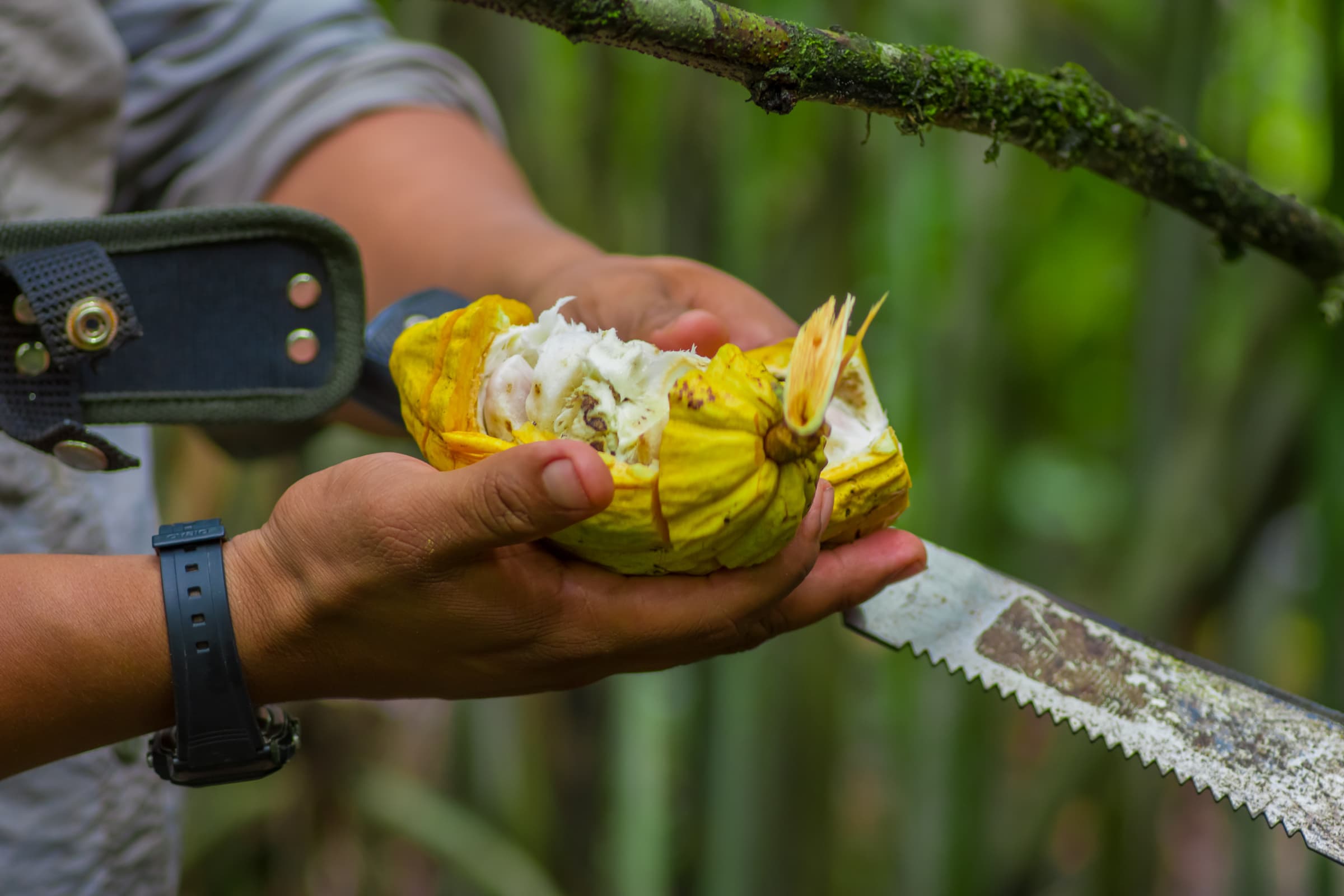
Use this gallery to get a feel for the lagoons, wildlife rhythm, blackwater scenery, and immersive Amazon atmosphere that define a Cuyabeno stay.
Plan a Stronger Cuyabeno Stay
Use Cuyabeno as a wildlife-first Amazon anchor, then build the rest of your Ecuador route around the right pace, lodge structure, and rainforest contrasts.