Nature at a Glance
Use this page if you want Ecuador to feel grounded in landscapes, ecosystems, and scenic variety rather than only movement or urban context.
Best for
Travelers who want volcano views, cloud forests, rainforest immersion, and broad ecosystem variety to anchor the trip.
Difficulty level
Easy to moderate. Nature travel in Ecuador can stay scenic and gentle or become more active depending on region and pacing.
Typical duration
4 to 10 days depending on whether you stay in one base or combine multiple natural regions and landscapes.
Region fit
Strong across the Andes, Amazon, Coast, and Galápagos, with each region offering a different natural mood and ecosystem logic.
Why Nature Works So Well in Ecuador
Ecuador is one of the strongest nature destinations in the region because the ecological variety changes quickly as you move. Volcano slopes, páramo, cloud forest, rainforest, rivers, coastal reserves, and island landscapes all sit within a relatively compact geography.
The strength of nature in Ecuador is not just biodiversity. It is also contrast. A route can feel expansive and scenic in the highlands, lush and immersive in the cloud forest, humid and layered in the Amazon, or wide and open along the coast. That gives travelers a lot of control over the tone of the trip.
This page is designed to help you decide what kind of natural experience you want, then connect it to the right region, the right provider pathway, and the best supporting balance with wildlife and birding, relaxation, or culture.
Best Nature Destinations in Ecuador
These are strong starting points for travelers who want to build an Ecuador route around scenery, ecosystem variety, and time outdoors.
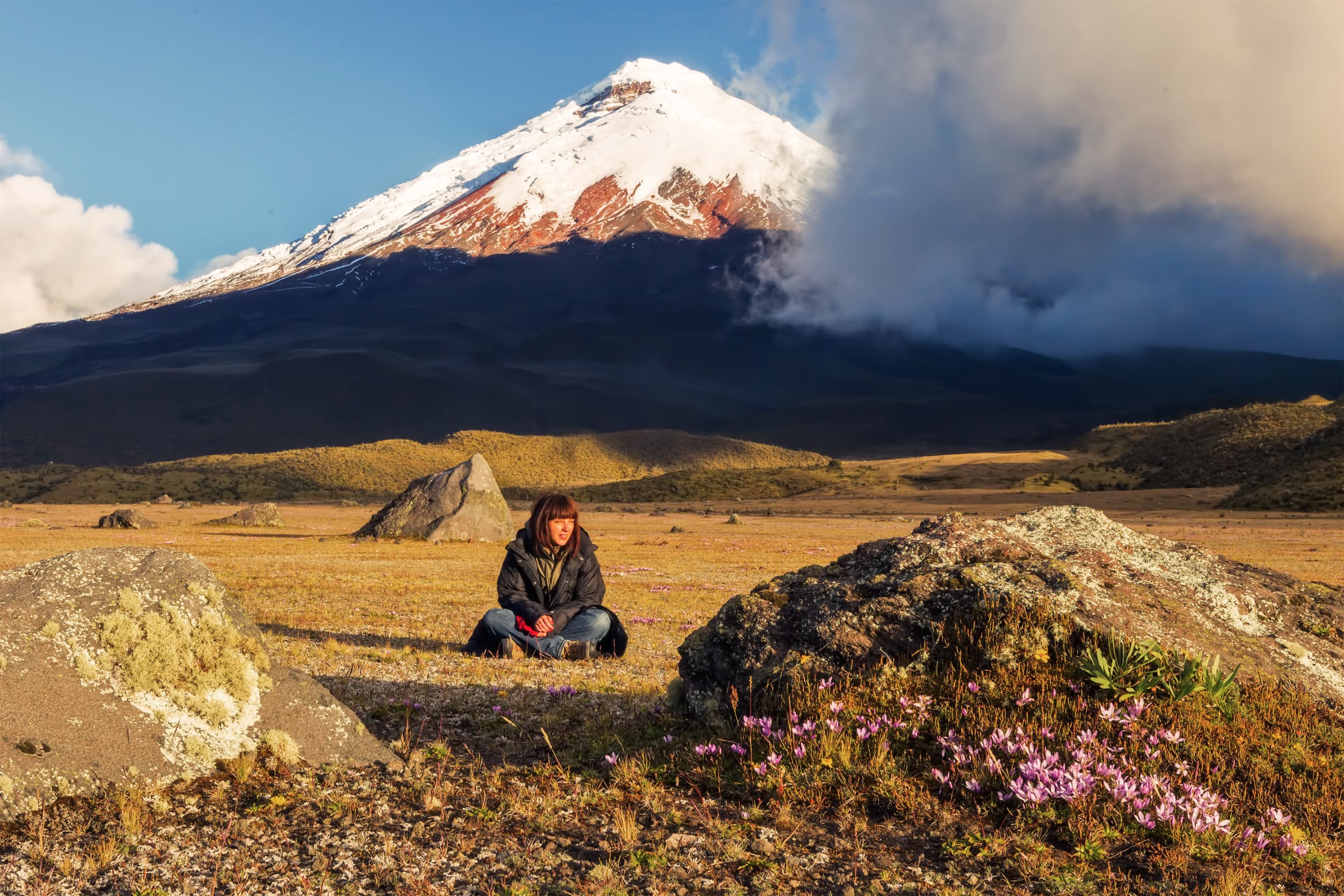
Cotopaxi
Best for big-sky highland scenery, volcano viewpoints, páramo terrain, and one of the clearest classic nature routes in Ecuador.
Explore CotopaxiMindo
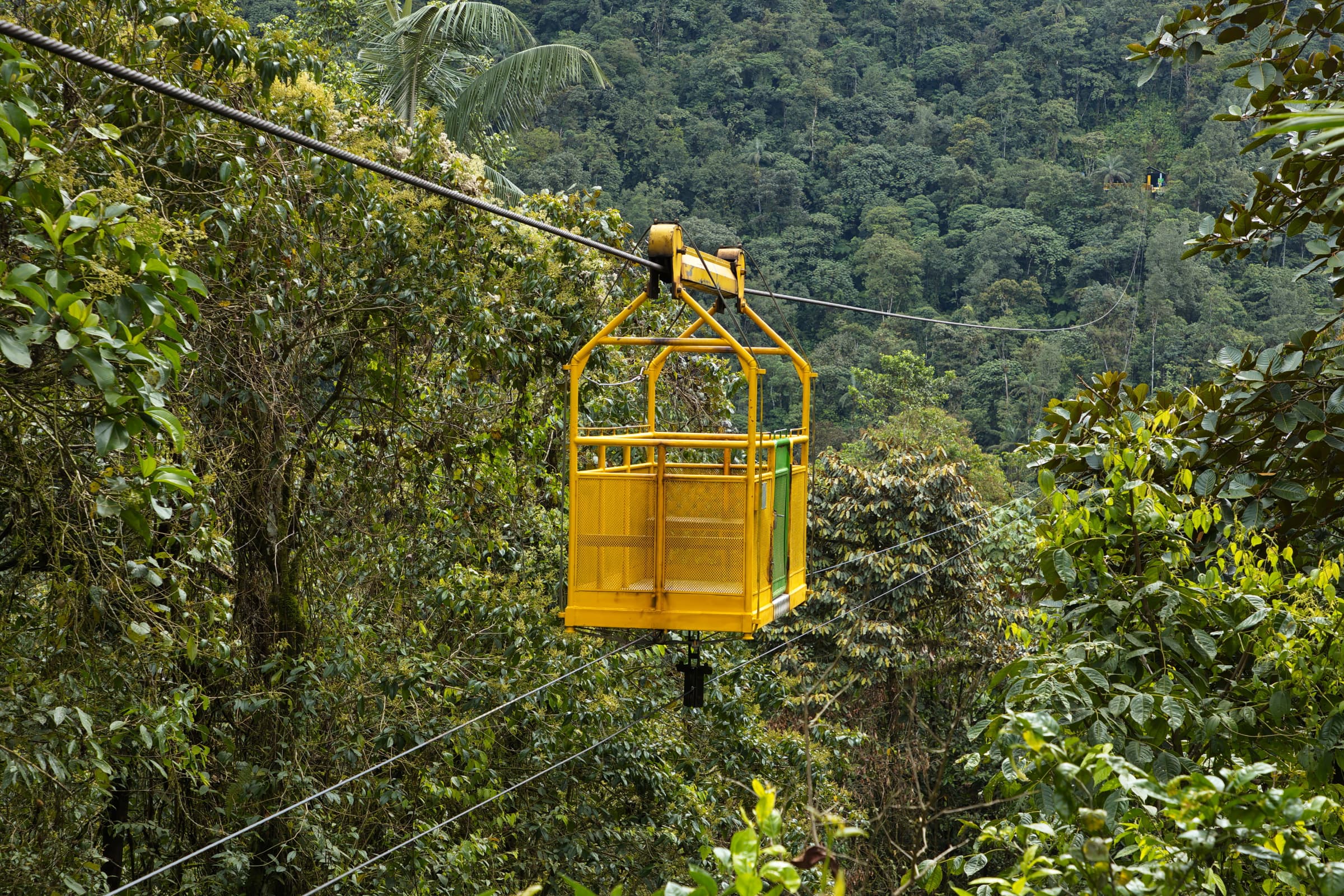
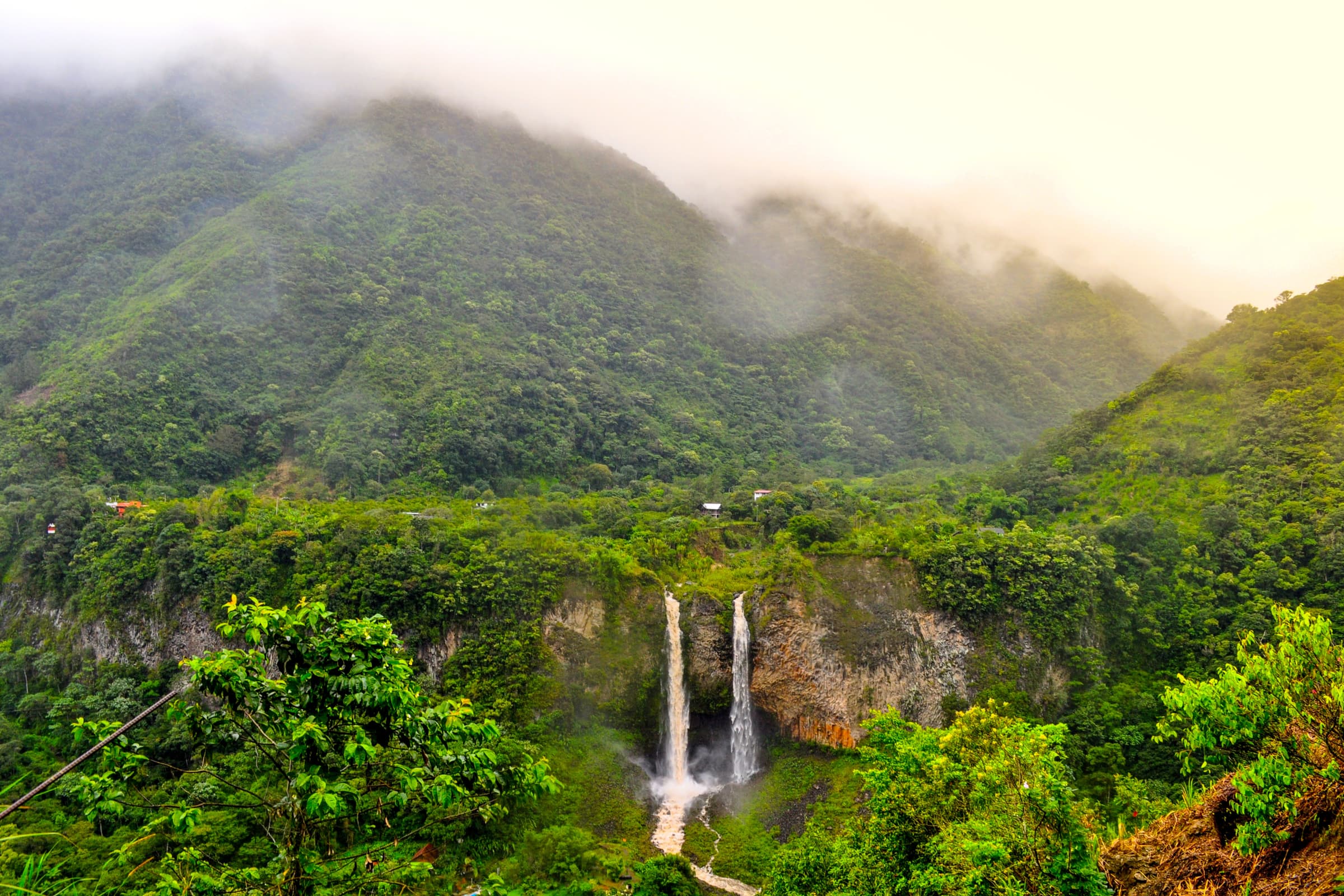
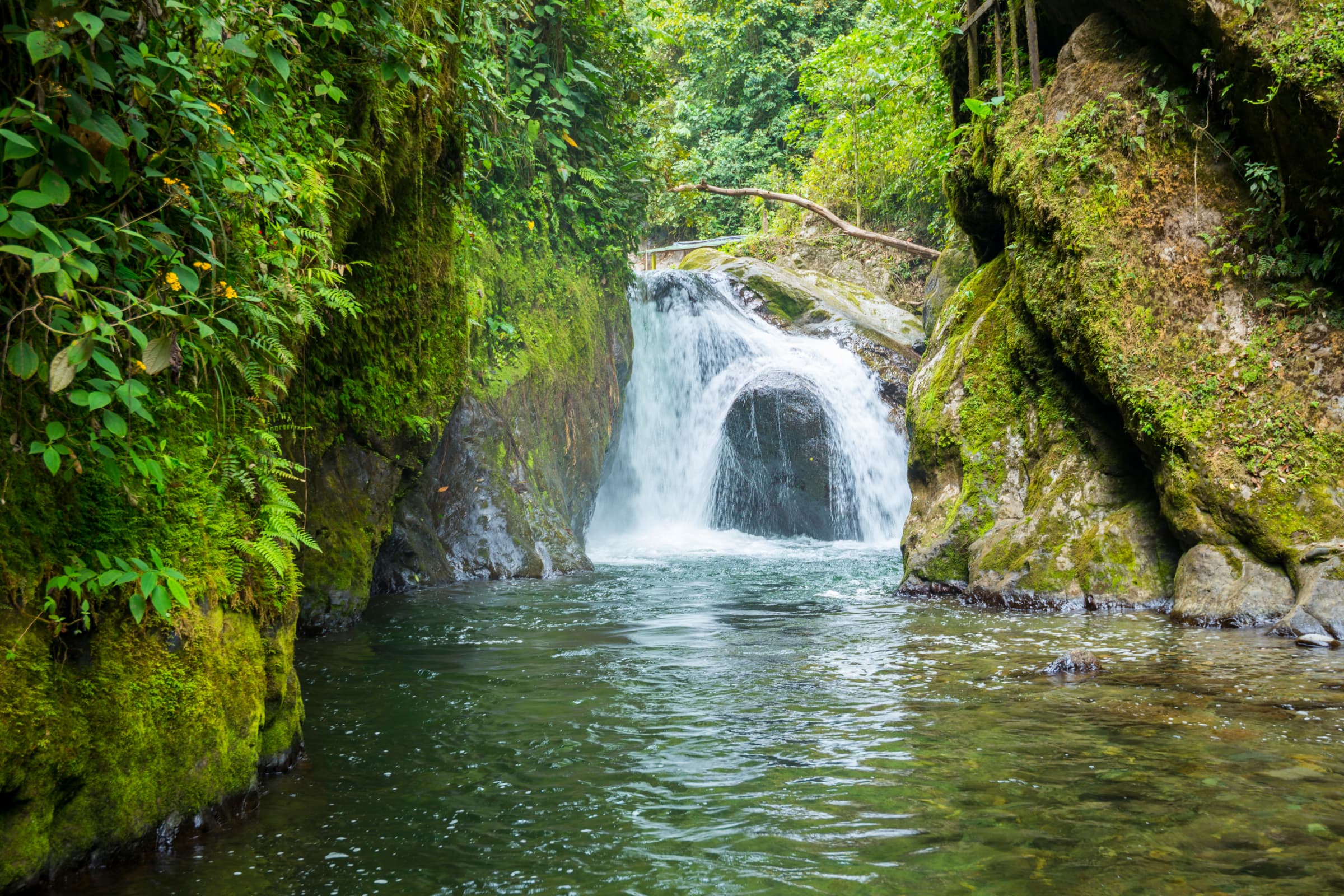
A strong nature base for cloud forest trails, waterfalls, lush scenery, and a softer ecosystem-focused route that still feels rich.
Explore MindoThe Amazon
Ideal for travelers who want rainforest systems, river corridors, deeper immersion, and a more biodiversity-driven natural experience.
Explore the AmazonThe Coast
Best for travelers who want beach landscapes, coastal reserves, mangroves, and a warmer nature layer inside a wider Ecuador route.
Explore the CoastProvider Pathways for Nature-Led Travel
This section should help travelers move from broad nature interest into the right stays, guides, and local pathways over time.
Nature-Focused Stays
Future members can help travelers choose stronger bases for volcano routes, cloud forest time, and landscape-led itineraries.
Open recommendationsLocal Guides and Ecosystem Providers
As the provider layer grows, this section should connect travelers to stronger trails, local interpretation, reserves, and nature-led outings.
Open recommendationsSlower Scenic Stays
Not every nature route should feel highly active. Future recommendations here can help build comfort, quiet, and better pacing into the trip.
Open recommendationsWhat a Nature-Led Ecuador Trip Usually Looks Like
Nature works best when the route is structured around landscape type, ecosystem variety, and pacing instead of trying to force every major environment into one rushed itinerary.
Choose your nature profile
Decide whether the trip should lean more toward volcano scenery, cloud forest, rainforest immersion, coastal nature, or a broader scenic mix.
Balance scenery with rhythm
The strongest Ecuador nature routes usually combine active time outdoors with slower scenic moments so the trip still feels spacious and memorable.
Use providers and planning tools to shape the route
Once the natural angle is clear, use provider pathways and the trip builder to tighten timing, transfers, and region flow.
Who Nature in Ecuador Fits Best
Nature travel works across many traveler types here, especially when the route matches how active, immersive, or scenic you want the trip to feel.
First-time visitors
Great for travelers who want Ecuador to feel visually memorable through landscapes, forests, and time outdoors.
Couples who want scenery
Works especially well for travelers who want beauty, quiet, and varied environments without making the whole trip overly strenuous.
Photographers and outdoors travelers
Ideal for people who want strong landscapes, changing ecosystems, and more chances to actually observe the natural setting.
Travelers balancing nature and comfort
Best for those who want the trip to feel outdoorsy and scenic without turning the route into a nonstop hiking schedule.
Best Time for Nature Depends on Landscape and Region
Nature travel in Ecuador works year-round, but the feel of the trip changes depending on altitude, rain patterns, visibility, and how deep into each ecosystem you want to go.
Volcano and highland routes
Visibility, trail comfort, and overall weather matter most when the route is built around volcano landscapes, lakes, and highland viewpoints.
Cloud forest and rainforest
Moisture, trail conditions, and timing affect how immersive the route feels, especially when forest walks and deeper ecosystem time are central.
Coastal nature
Ocean conditions, local weather, and the broader rhythm of the coast shape how scenic and relaxed the nature layer feels across the trip.
Cross-Link Nature With the Right Supporting Experiences
Nature routes usually become stronger when they are paired with one or two supporting layers rather than trying to carry the whole trip alone.
Wildlife & Birding
Pairs naturally with nature when you want more species focus, stronger biodiversity context, and a deeper ecosystem lens.
Open wildlife & birdingRelaxation
Useful when you want scenic quiet, slower stays, and more breathing room inside a nature-led itinerary.
Open relaxationCulture
Adds local context, city balance, and place-based depth when you do not want the whole route defined only by landscapes.
Open cultureGo Deeper With Regions, Guides, and Planning Tools
Once the nature profile is clear, these paths help turn it into a more intentional Ecuador itinerary.
Explore the Andes
Start here if volcano routes, lakes, cloud forest edges, and dramatic highland landscapes are likely to anchor the trip.
Open AndesExplore the Amazon
Use this path if rainforest systems, rivers, and deeper ecological immersion are central to the route.
Open AmazonWhere to Stay in Ecuador
Helpful once you know what kind of scenic base, lodge, or region flow will support the trip best.
Open guideTrip Builder
Use the planning tool when you are ready to turn your preferred landscapes into a realistic route with stronger pacing.
Open trip builderCommon Questions About Nature Travel in Ecuador
These are some of the most useful questions travelers ask when shaping a nature-led route in Ecuador.
What are the best places for nature travel in Ecuador?
Cotopaxi, Mindo, the Amazon, and parts of the Coast are among the strongest starting points, depending on whether you want volcano landscapes, cloud forest biodiversity, rainforest immersion, or coastal ecosystems.
Is nature travel in Ecuador good for first-time visitors?
Yes. Nature is one of the easiest and most rewarding ways to experience Ecuador because the country offers dramatic ecosystem variety in a compact footprint.
How many days should I allow for a nature-focused Ecuador trip?
A shorter 4 to 6 day route can work if you stay in one natural base, but 7 to 10 days gives more room to combine multiple landscapes without rushing the trip.
Can I combine nature with wildlife and birding or relaxation in Ecuador?
Yes. Many of the strongest Ecuador itineraries combine nature with wildlife and birding, relaxation, or culture so the trip feels richer and better paced.
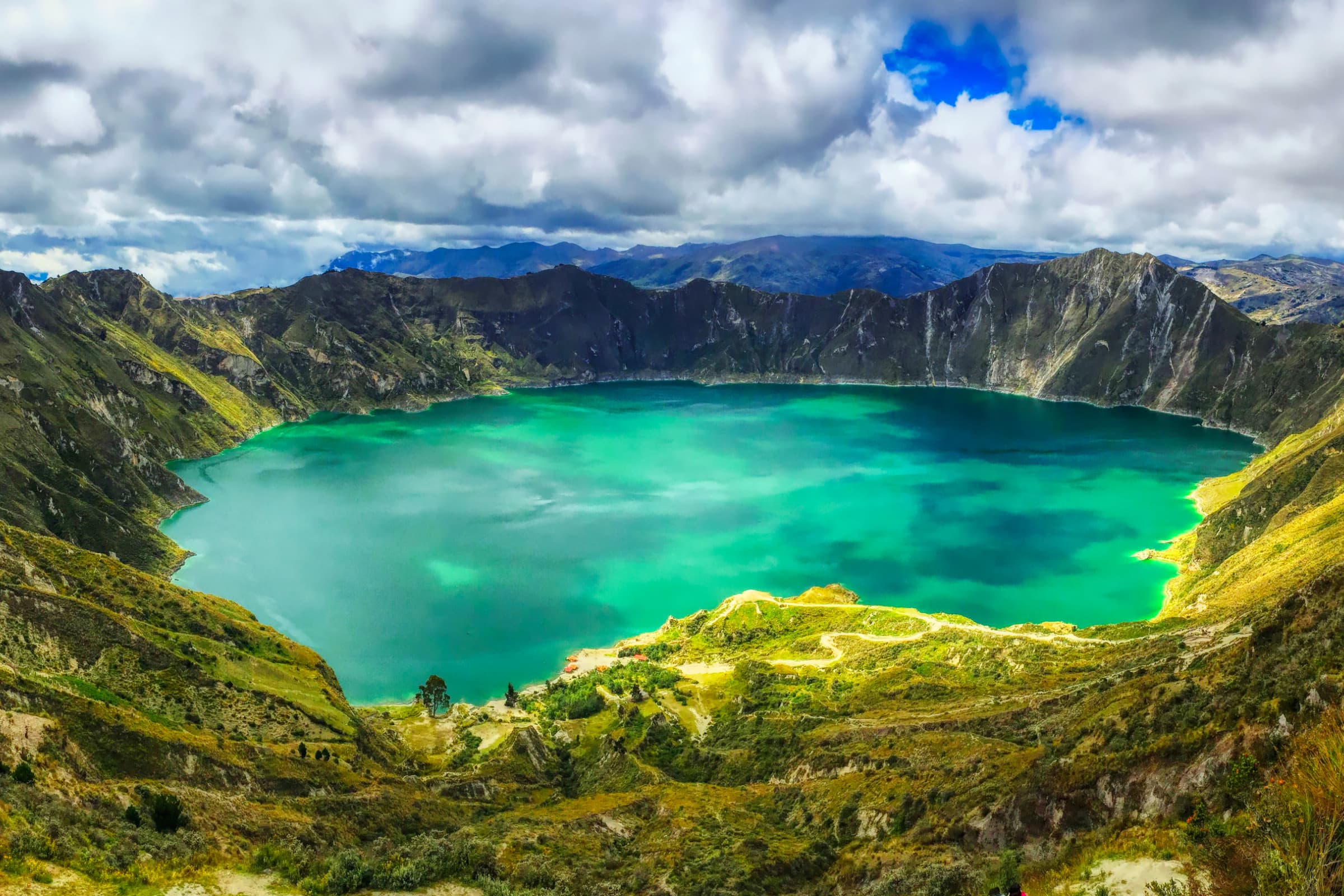
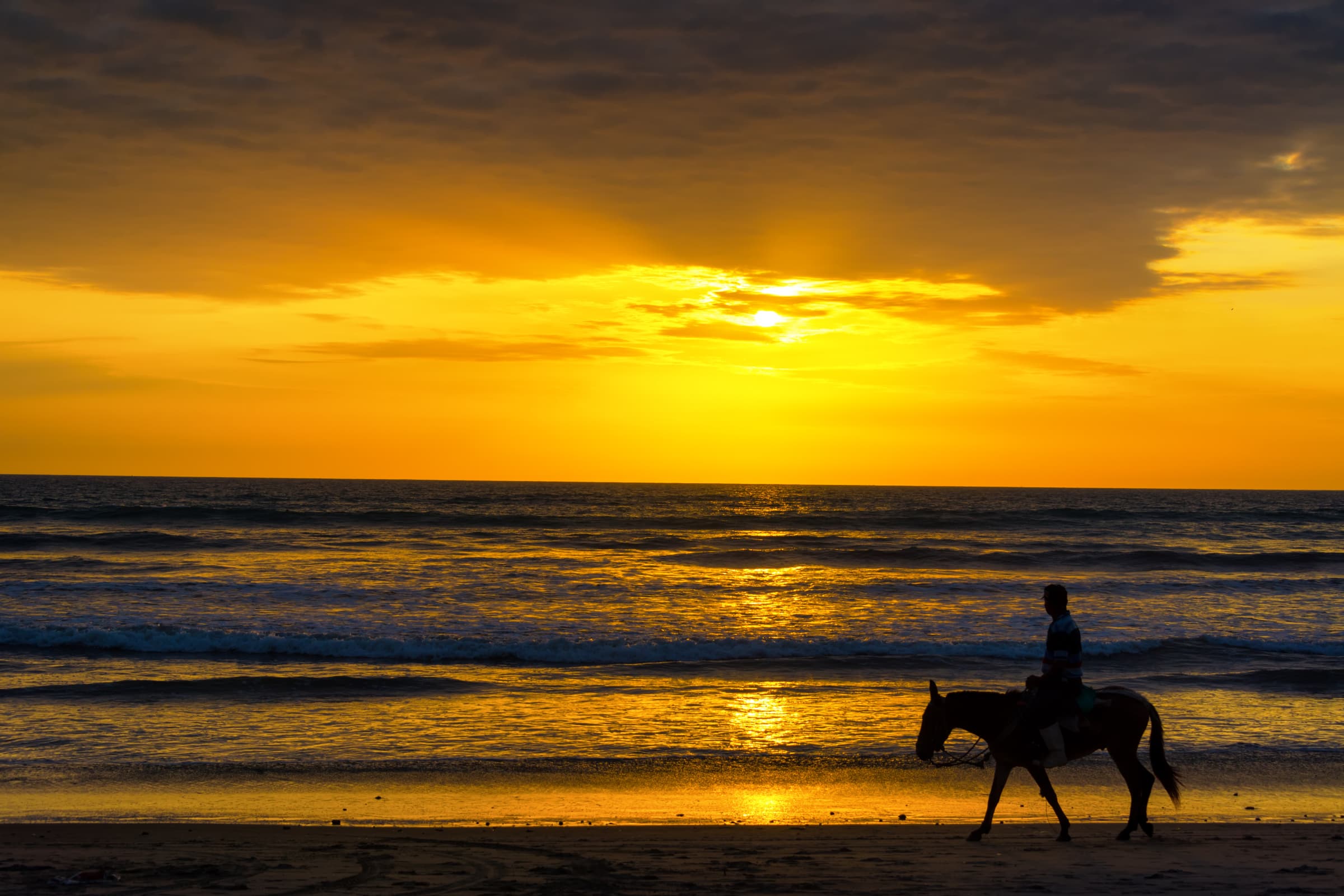
Visual Highlights Across Nature in Ecuador
Use this visual layer to compare the mood, scenery, and ecosystem range while you shape a more intentional nature-led route.
Build a More Nature-Led Ecuador Itinerary
Choose the kind of natural depth that should lead the route, then use regions, providers, and planning tools to turn that into a stronger trip.