Culinary Travel at a Glance
Use this page if you want Ecuador to be experienced through flavor, markets, ingredients, and meals that tell you where you are.
Best for
Food-first travelers, curious eaters, cultural explorers, and people who like learning a place through daily meals.
Difficulty level
Easy to moderate. Culinary routes are usually accessible, flexible, and easy to layer into city, coast, or regional travel.
Typical duration
4 to 10 days depending on whether you stay in one food-rich base or combine multiple regional scenes.
Region fit
Strong across the Coast and Andes, with deeper layers in the Amazon and Galapagos depending on the route.
Why Culinary Travel Works So Well in Ecuador
Culinary travel in Ecuador goes far beyond restaurants. It includes markets, family-run kitchens, regional specialties, cacao and coffee traditions, seafood culture, and everyday meals that are deeply tied to geography.
The real strength is regional contrast. Coastal seafood, highland soups and grains, Amazon ingredients, and island freshness all feel distinct, which makes food one of the clearest ways to understand the country.
This page is designed to help you decide what kind of culinary route you want, then connect that experience to the right region, the right provider pathway, and the best trip balance with culture or relaxation.
Best Culinary Destinations in Ecuador
These are strong starting points for travelers who want to build an Ecuador route around flavors, ingredients, local dishes, and food culture.
Quito
A strong base for markets, traditional dishes, bakeries, cafes, and food experiences layered naturally into city exploration.
Explore QuitoThe Coast
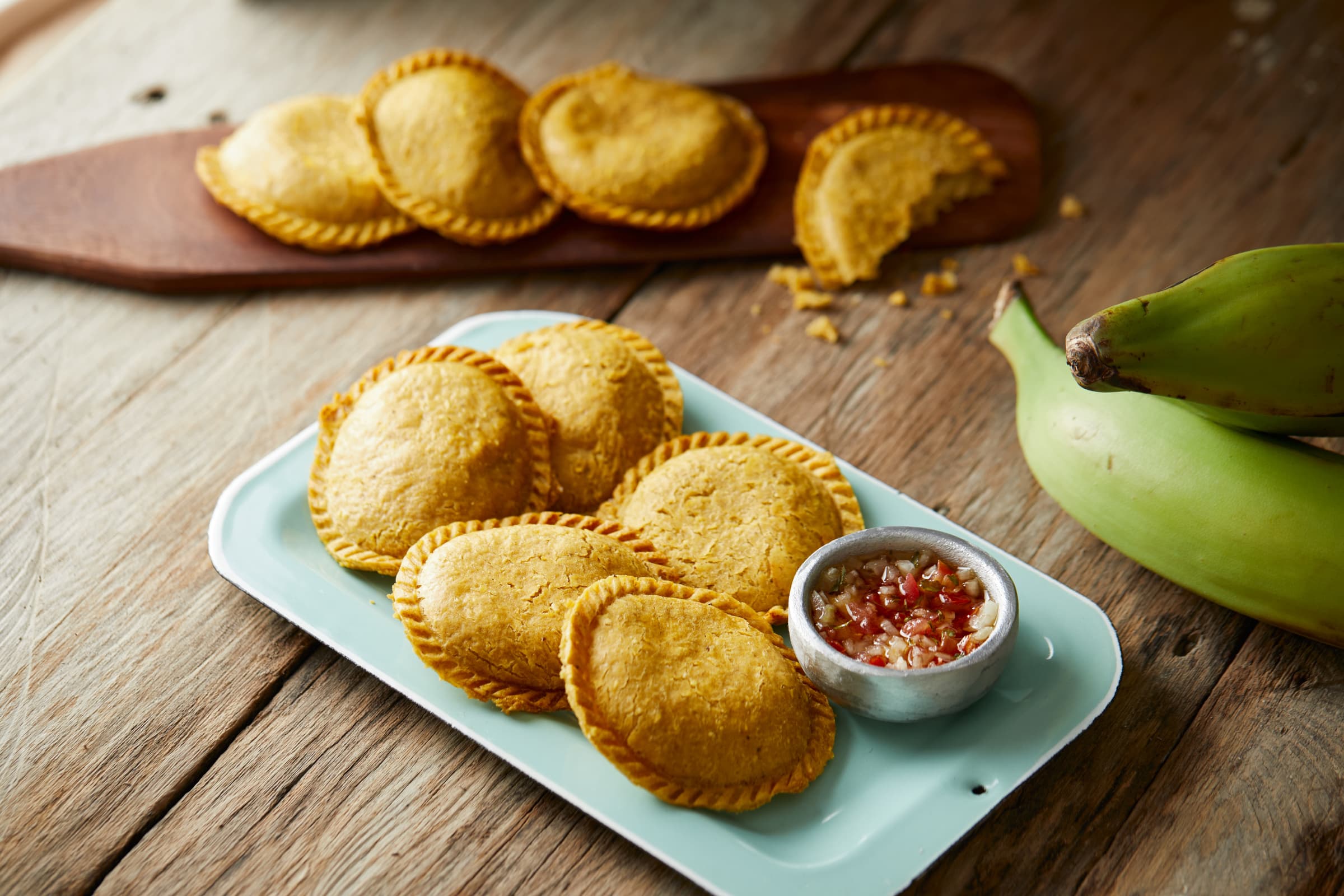
Best for ceviche culture, grilled seafood, plantain-based dishes, and a very different flavor profile from the highlands.
Explore the CoastThe Andes
Ideal for soups, grains, market meals, baked goods, and food traditions that feel rooted in altitude, agriculture, and local routine.
Explore the AndesThe Amazon
Best for a deeper ingredient story, indigenous traditions, and a food perspective that feels very different from the Coast or Andes.
Explore the AmazonProvider Pathways for Culinary-Led Travel
This section should help travelers move from general food curiosity into the right guides, stays, classes, and tasting pathways over time.
Culinary Stays
Future members can help travelers choose stays that place them closer to markets, neighborhood food scenes, and memorable local dining.
Open recommendationsFood Guides and Tasting Providers
As the provider layer grows, this section should connect travelers to stronger local food interpretation through markets, tastings, and workshops.
Open recommendationsCacao and Coffee Experiences
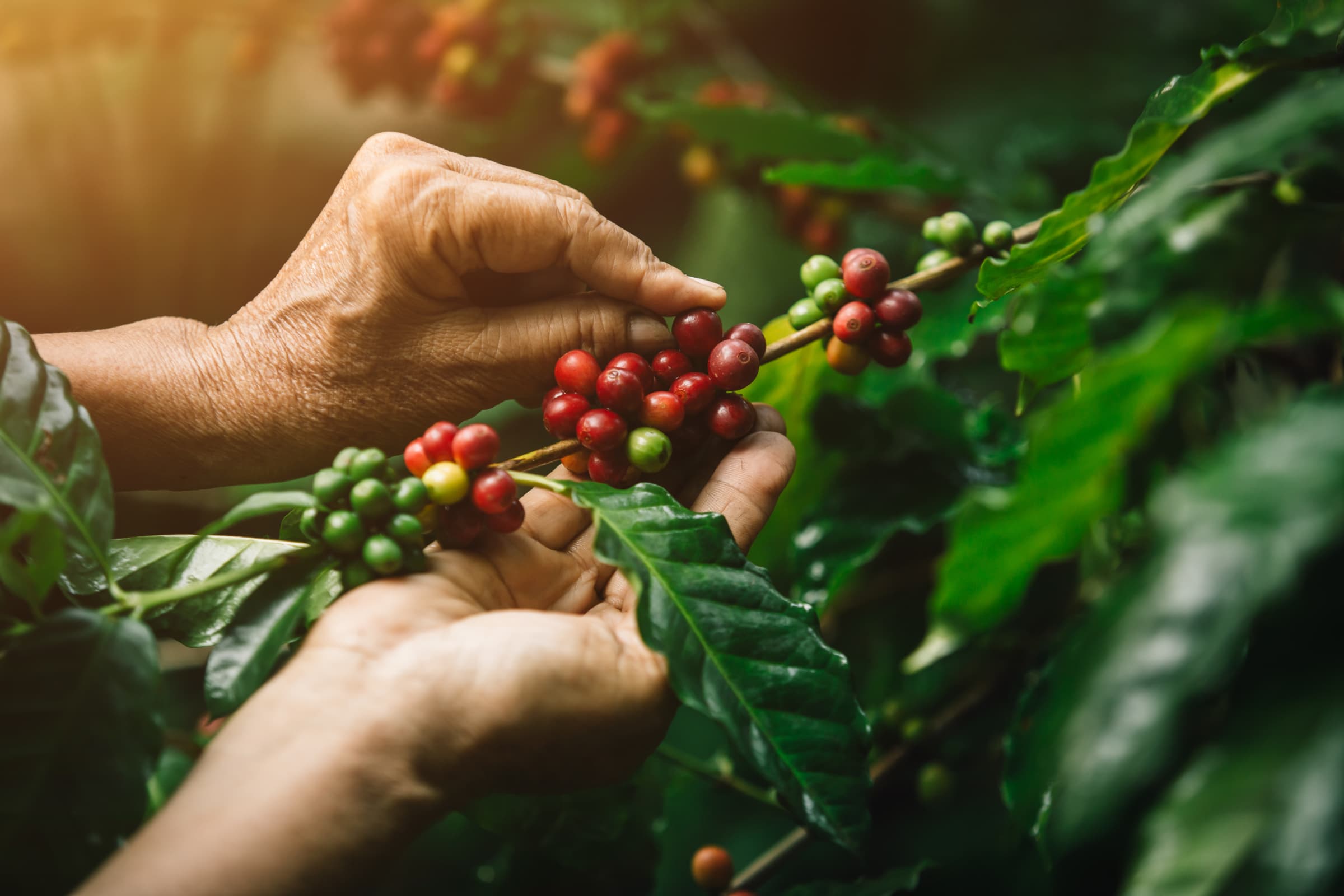
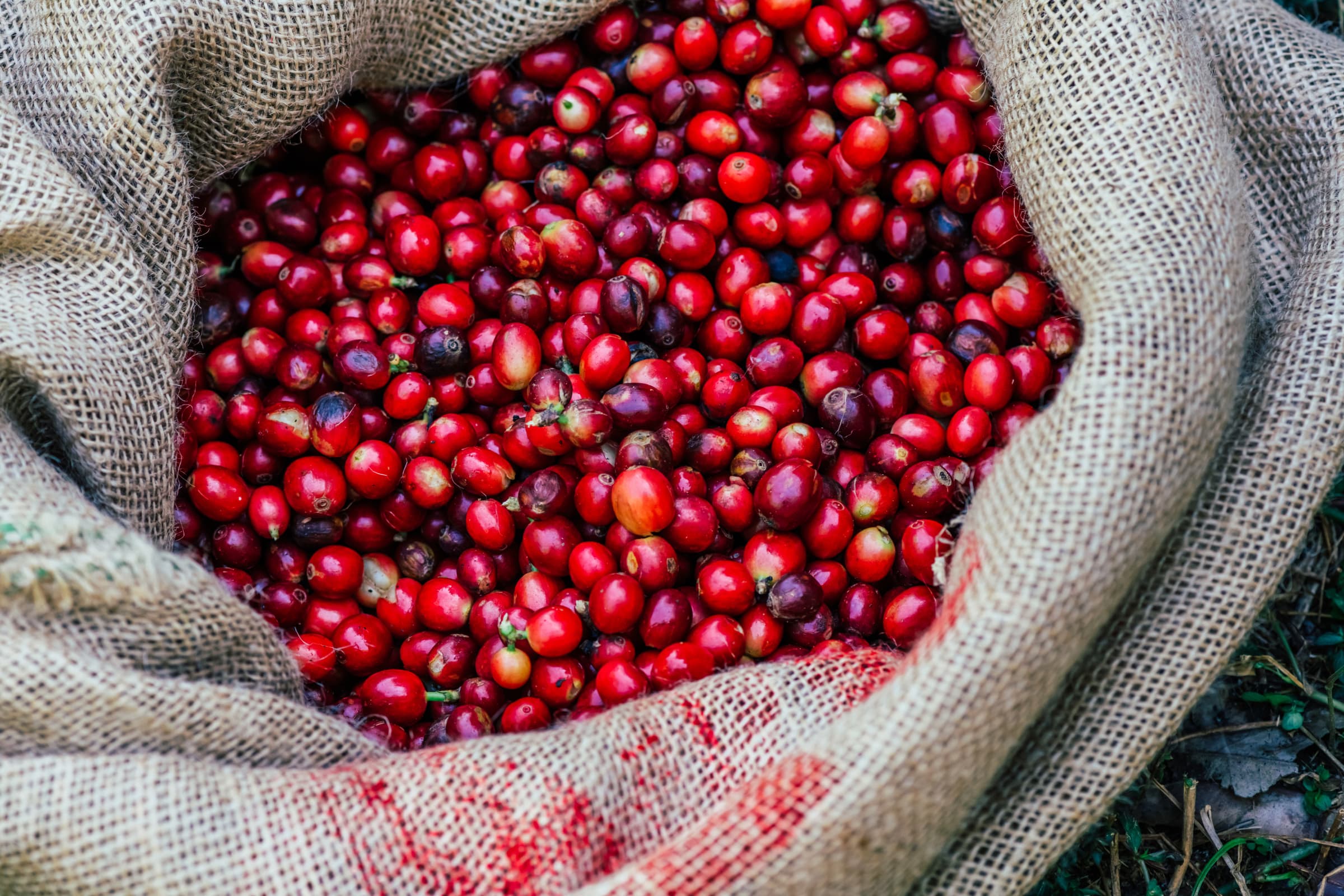
Not every culinary route should center on full meals. Future recommendations here can help build tasting-led days around cacao and coffee culture.
Open recommendationsWhat a Culinary-Led Ecuador Trip Usually Looks Like
Culinary travel works best when the route is structured around one or two strong food scenes instead of trying to sample everything too quickly.
Choose your food angle
Decide whether the trip should lean more toward markets, seafood, cacao, coffee, traditional dishes, or a broader mix of regional flavors.
Pick the strongest food base first
Use places like Quito, the Coast, the Andes, or the Amazon depending on the taste profile you want.
Mix tasting with breathing room
The strongest food routes usually pair markets, meals, and tastings with enough downtime to keep the trip enjoyable rather than overloaded.
Use providers and planning tools to sharpen the route
Once the food style is clear, use provider pathways and the trip builder to shape a smarter sequence of meals, markets, and destination changes.
Who Culinary Travel in Ecuador Fits Best
This experience works especially well when travelers want food to shape the route rather than sit on the side of it.
Food-first travelers
Great for people who naturally plan trips around dishes, markets, ingredients, and local food rhythm.
Cultural explorers
Ideal for travelers who want to understand Ecuador through everyday meals, regional traditions, and neighborhood food scenes.
Slow travelers
Strong for people who prefer fewer stops, longer meals, and more time to enjoy one place properly.
Couples and small groups
Useful when the trip needs an easy shared theme that still feels rich, flexible, and memorable.
Best Time for Culinary Travel Depends on Region and Pace
Culinary travel in Ecuador works year-round, but the feel of the route changes depending on whether you want coastal freshness, market energy, cacao and coffee focus, or slower city food days.
Coastal food routes
Best when seafood, ceviche culture, and ocean-facing meals are likely to anchor the trip.
Andean market routes
Best when the trip is built around neighborhoods, markets, soups, baked goods, and classic highland meals.
Cacao and coffee focus
Best when tastings, ingredient stories, and slower specialty experiences are central to the route.
Cross-Link Culinary Travel With the Right Supporting Experiences
Culinary routes usually become stronger when paired with one or two supporting layers instead of asking food alone to carry the whole trip.
Culture
Pairs naturally with culinary travel when you want markets, neighborhoods, architecture, and local context to deepen every meal.
Open cultureRelaxation
Useful when you want long meals, scenic stays, and a softer pace between tastings and city or coast days.
Open relaxationNature
Adds scenery, farms, landscapes, and a more grounded regional feel to a food-led route.
Open natureGo Deeper With Regions, Guides, and Planning Tools
Once the culinary profile is clear, these paths help turn it into a more intentional Ecuador itinerary.
Explore Regions
Start here if you want to compare which part of Ecuador best matches the flavors, pace, and style of food travel you want.
Open regionsWhere to Stay in Ecuador
Helpful once you know whether your best culinary base should be market-led, coastal, city-based, or more rural.
Open guideTrip Builder
Use the planning tool when you are ready to turn your food priorities into a realistic route with better pacing.
Open trip builderMust Eats
Use this page when you want the short list of dishes, snacks, and local favorites worth planning around.
Open Must EatsCommon Questions About Culinary Travel in Ecuador
These are some of the most useful questions travelers ask when shaping a food-first Ecuador route.
What are the best places for culinary travel in Ecuador?
Quito, the Coast, the Andes, and parts of the Amazon are among the strongest starting points depending on whether you want markets, seafood, cacao, coffee, or regional classics.
Is Ecuador good for food-focused travel?
Yes. Ecuador works especially well for culinary travel because regional differences are strong and food is deeply tied to place, routine, and culture.
Can I combine culinary travel with culture or relaxation?
Yes. Culinary travel pairs naturally with both culture and relaxation, which helps keep the route rich without making it feel overloaded.
Should I plan around markets or restaurants first?
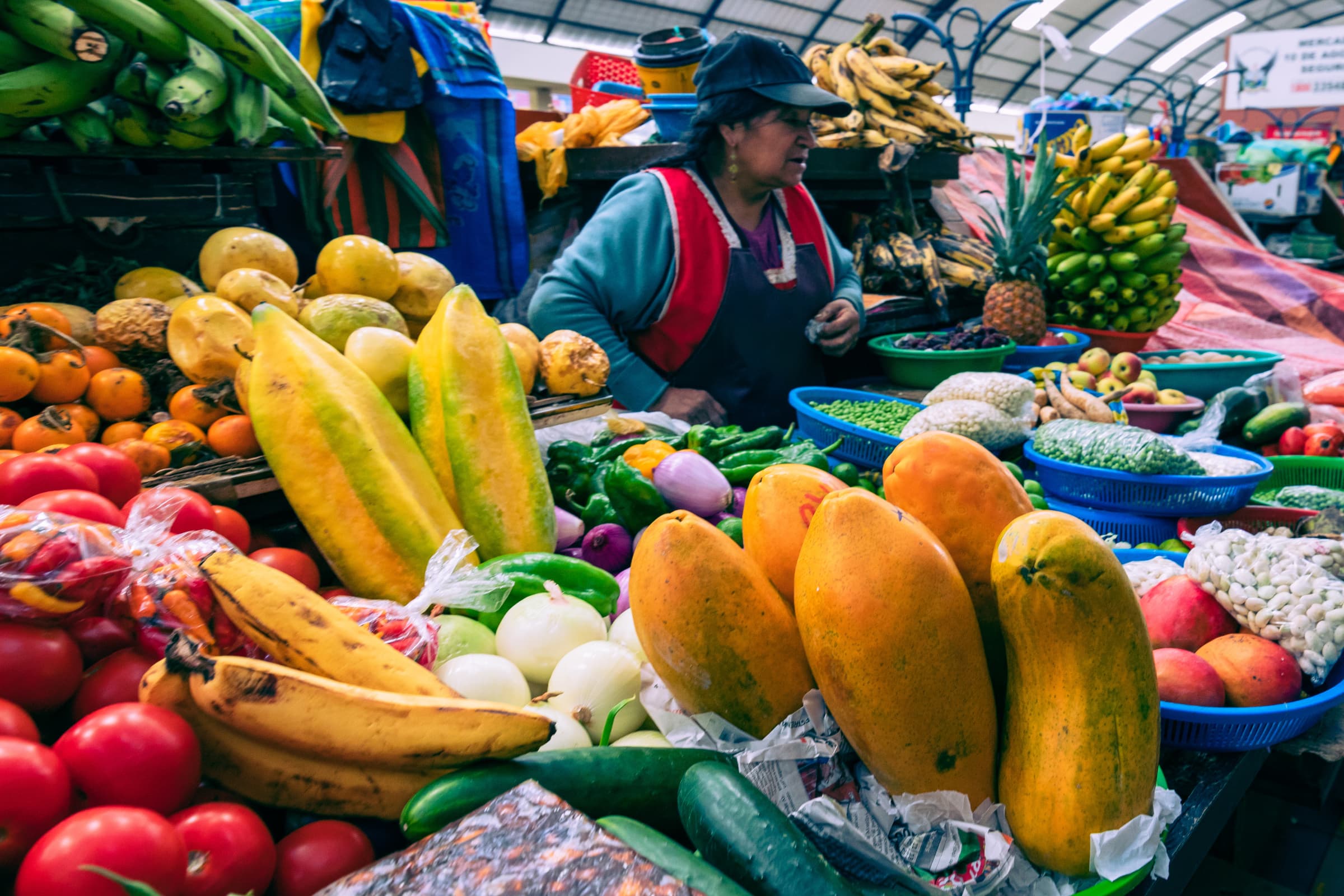
Markets are usually the fastest way to understand a region, then restaurants and tastings can add more depth around that base.
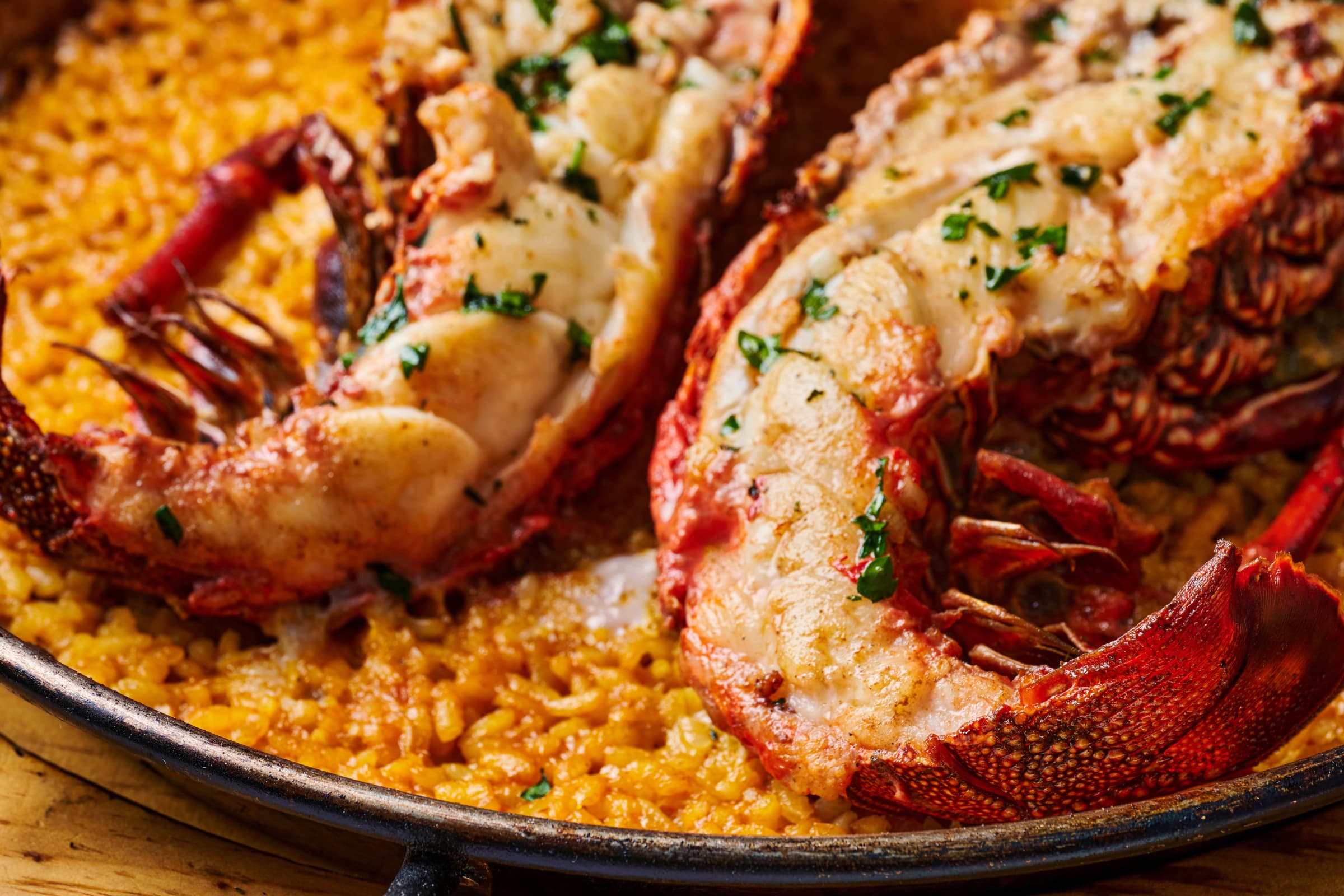
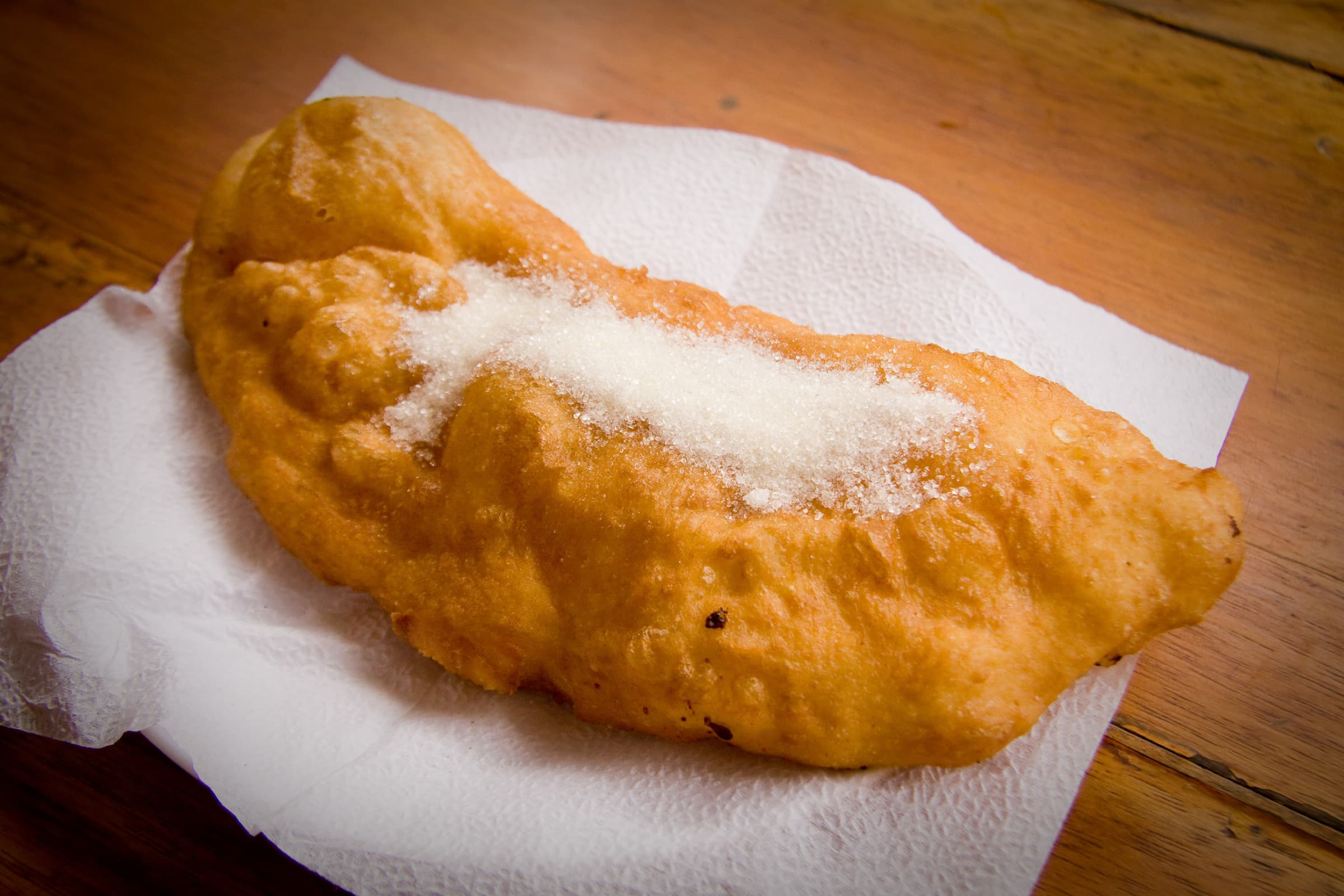
Culinary Highlights Across Ecuador
Use this visual layer to compare atmosphere, ingredients, and mood while you shape a more intentional food-first itinerary.




Build a More Food-First Ecuador Itinerary
Choose the flavors and experiences you want, then connect them to the right region, providers, and planning tools.